Choosing the Right Color Temperature for Your Outdoor Lights
Selecting the acceptable color temperature for backyard lights is an most important decision that may tremendously influence the aesthetics and capability of your area. Whether illuminating a backyard, growing environment for a patio, or improving safety with pathway lighting fixtures, awareness how coloration temperature influences conception and temper can booklet you in making told offerings.

The Basics of Color Temperature
Color temperature is measured in Kelvin (K) and describes the hue of a selected faded resource. Lower Kelvin values (round 2700K to 3000K) produce warm white pale, whilst larger values (above 5000K) yield cool or sunlight hours-like mild. This contrast is needed when making plans backyard spaces since it impacts how colours show up and the entire ecosystem created by using your lighting fixtures design.
Warm white faded creates an inviting and cozy surroundings, desirable for residential regions comparable to gardens and patios. In evaluation, cooler outdoor accent lighting temperatures be offering a greater scientific visual appeal, frequently related to advertisement settings or security applications. Understanding these nuances lets in property owners and designers to tailor their lights choices stylish on intended makes use of.
The Impact of Different Color Temperatures
When curious about outdoor lights recommendations like route lighting, spotlights, floodlights, and ornamental string lighting, it's fundamental to identify how varying coloration temperatures can seriously change the notion of your landscape. For occasion:
-
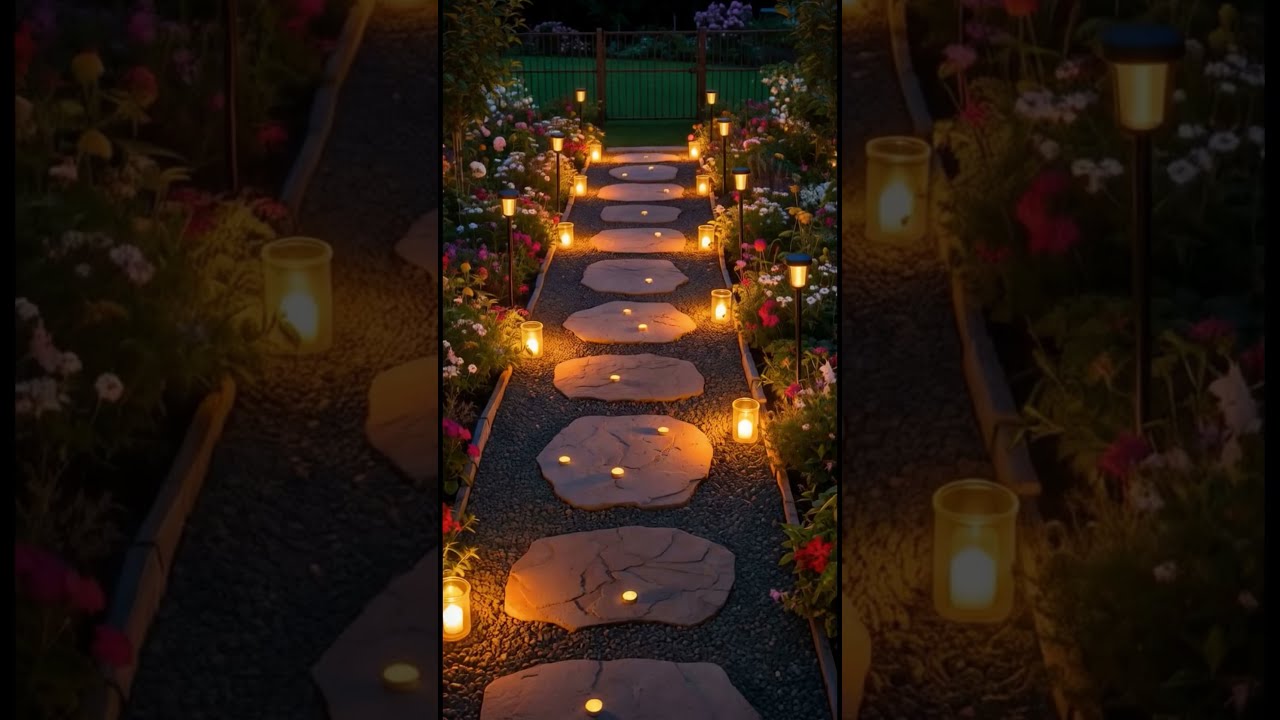
Warm White (2700K - 3000K): This fluctuate emits a soft glow corresponding to incandescent bulbs. It enhances typical colorations in gardens and creates a at ease atmosphere for social gatherings on patios or decks.
-
Neutral White (3500K - 4100K): A steadiness between warm and funky tones, impartial white faded works neatly for widely wide-spread open air use with no overpowering the existing colorations of plants and buildings. It’s relevant for parts requiring visibility devoid of sacrificing warm temperature.
-
Cool White (5000K - 6500K): Often stumbled on in industrial settings or used for safety purposes, this vibrant mild enhances visibility yet may additionally wash out hues in a backyard placing. It’s triumphant for illuminating driveways or pathways the place safety is paramount.
Understanding these characteristics helps while defining detailed zones inside of out of doors environments. For example, riding hot white lights alongside paths most efficient to seating places invitations friends right into a social area, while brighter cool lighting fixtures can enhance protection alongside driveways or steps wherein visibility is relevant.
Matching Color Temperature with Design Intent
When designing open air areas, factor in how every facet would be used at nighttime and decide on color temperatures therefore. For instance:
-
Garden Lighting: Use heat white LED landscape lighting fixtures to highlight plants and flowers with out altering their usual colorations. The comfortable glow provides depth to backyard options even though developing an inviting atmosphere.
-
Patio Areas: Incorporating dimmable out of doors lighting permits flexibility in temper putting—brighten them right through gatherings or melt them for intimate dinners less than the celebrities.
-
Pathway Lighting: Opt for neutral white illumination on walkways to ascertain protection when affirming aesthetic enchantment; this could assistance ward off distractions from landscaping facets.
-
Security Lighting: Employ cooler temperatures round access elements or dark corners to expand visibility and deter capacity intruders nicely.
-
Decorative Lighting: When driving bistro lights or string lighting fixtures in social areas like terraces or backyards, hotter tones foster an inviting atmosphere that encourages relaxation amongst site visitors.
By aligning colour temperatures with exact functions inside your open air format, you create cohesive reviews that not basically support elegance yet also sell safe practices and usefulness.
Energy Efficiency Considerations
When seasonal lighting installation selecting outdoors lighting answers including low voltage LED strategies or sunlight panorama lighting, electricity performance becomes increasingly more fundamental along aesthetic issues. LEDs are effectively-looked for his or her durability—typically lasting up to 25 occasions longer than conventional incandescent bulbs—and their capability to provide huge vigour savings over time.
Moreover, many leading-edge LED furniture include adjustable color temperatures and even colour-replacing abilties which permit users to alter their open air ambiance according to different instances—reworking a serene garden into a colourful occasion house in reality by altering the light settings.
In addition to vigor-environment friendly furnishings, suppose integrating shrewd landscape lighting structures offering action sensors or timer controls that optimize usage centered on occupancy styles—additional enhancing potential efficiency even as proposing comfort.
Real-World Applications
To illustrate realistic purposes of colour temperature picks in outdoor settings, think about two individual case stories:
Residential Landscape Lighting
In one suburban residence rework venture concentrated on editing lower allure using panorama lighting fixtures, the vendors opted for hot white low voltage LED furnishings alongside pathways most suitable from driveway to entrance front. This determination not handiest illuminated protected passage but also highlighted architectural information like stonework and ornamental shrubs in opposition t gentle shadows after sundown.
For additional accentuation around bushes near seating components tucked away inside the backyard—a relaxed oasis—hotter tones had been chosen for uplighting bushes when integrating bistro-taste string lights overhead produced a captivating night ecosystem desirable for summer time gatherings with visitors.

Commercial Landscape Lighting
Conversely, in a industrial putting including a retail plaza aiming to create an inviting yet protect browsing experience after hours—the management carried out cooler white LED floodlights across parking cafe lighting quite a bit paired with impartial white sconces around construction entrances. This combo ensured good enough illumination stages promotion safeguard when drawing realization towards store signage comfortably without overwhelming shoppers upon arrival at dusk.
Both examples underscore how considerate selection of shade temperature complements usability along aesthetics notwithstanding regardless of whether designing residential landscapes or industrial houses.
Conclusion
Choosing the proper coloration temperature on your outdoors lights consists of more than quickly choosing what appears interesting; it requires expertise how alternative hues impact mood and conception inside of several areas. By thoughtfully opting for exact temperatures situated on the perform of each space—from heat whites that foster intimacy in gardens to chill whites that beef up safety—you might create dynamic environments tailor-made peculiarly for your wishes whilst maximizing power performance thru up to date technology a possibility immediately.
The interplay between aesthetics and practicality defines winning landscape lighting layout; investing time into making informed choices about color temperature sooner or later pays dividends either visually and functionally within any residential or industrial venture.